
Transform Your Health Through Smart Cooking
Discover how intentional food preparation practices can support your wellness journey and help prevent chronic health challenges through evidence-based culinary techniques.
The information on this site is for educational purposes only and does not constitute medical advice. Always consult a qualified healthcare professional before making health decisions.
Six Cornerstone Principles of Health-Focused Cooking
These evidence-informed cooking practices form the foundation of nutrition-conscious meal preparation, helping you build sustainable healthy eating habits.
Whole Food Preparation
Focus on unprocessed, minimally refined ingredients to maximize nutrient density. Whole foods retain their natural vitamins, minerals, and phytonutrients that support optimal body function and help prevent nutrient deficiencies.
Cooking Method Matters
Choose gentle cooking techniques like steaming, poaching, and low-temperature baking to preserve heat-sensitive nutrients. Avoid high-heat methods that can create potentially harmful compounds and destroy beneficial enzymes and vitamins.
Colorful Ingredient Diversity
Incorporate a rainbow of plant foods—red, orange, yellow, green, blue, and purple varieties—each containing unique antioxidants and protective compounds. This spectrum approach ensures comprehensive micronutrient intake throughout your week.
Oil and Fat Selection
Select high-quality oils with appropriate smoke points and beneficial fatty acid profiles. Cold-pressed extra virgin olive oil, coconut oil, and other plant-based fats contribute heart-healthy monounsaturated and polyunsaturated fatty acids when used mindfully.
Portion and Meal Timing
Structure meals with balanced portions of vegetables, proteins, and whole grains. Eating at consistent times supports digestive rhythm and helps maintain stable energy levels throughout the day, supporting overall metabolic wellbeing.
Seasoning with Intention
Use herbs and spices abundantly—turmeric, ginger, garlic, basil, and others offer both flavor and bioactive compounds. These natural seasonings reduce reliance on salt while adding nutritional value and supporting anti-inflammatory processes in the body.
The Science Behind Smart Cooking
Cooking practices directly influence the bioavailability of nutrients and the formation of potentially harmful compounds. When you prepare meals intentionally—choosing fresh ingredients, appropriate cooking methods, and thoughtful flavor profiles—you create foods that your body can efficiently digest, absorb, and utilize.
Home cooking allows you to control ingredients, cooking temperatures, and preparation techniques in ways that commercial processing cannot. By understanding how different foods respond to heat, moisture, and time, you can maximize protective compounds like antioxidants and minimize unwanted byproducts that develop through extreme processing or high-heat cooking.
-
Nutrient Preservation:
Gentle cooking retains vitamins, minerals, and beneficial plant compounds intact.
-
Digestive Ease:
Proper cooking breaks down fiber and proteins, making nutrients more accessible to your digestive system.
-
Ingredient Transparency:
You control what goes into every dish—no hidden additives, preservatives, or fillers.
-
Long-Term Habit Building:
Regular home cooking creates sustainable lifestyle patterns that support overall wellness.
Your Five-Step Cooking Transformation
Follow this progressive approach to integrate health-focused cooking into your daily routine, building sustainable skills and confidence in the kitchen.
Assess Your Current Kitchen
Begin by evaluating the tools and ingredients you already have. Identify which basic equipment (sharp knives, cutting boards, pots, pans) serves you well, and note areas where simple upgrades might improve your cooking experience. Understanding your starting point helps you make intentional improvements without overwhelming yourself.
Build Your Ingredient Foundation
Stock your pantry with high-quality whole grains, dried legumes, herbs, spices, and oils that form the basis of nutritious meals. Source fresh produce locally when possible—Philippine markets offer abundant seasonal vegetables and fruits. Having these staples readily available removes barriers to healthy cooking and encourages spontaneous meal preparation.
Master Core Cooking Techniques
Learn foundational skills like steaming vegetables, simmering grains, sautéing with minimal oil, roasting at moderate temperatures, and properly seasoning dishes. Practice these techniques repeatedly until they become automatic. Competence in basic methods builds confidence and makes healthy cooking feel natural rather than burdensome.
Experiment with Diverse Recipes
Begin exploring recipes that excite your palate. Start with simpler preparations and gradually tackle more complex dishes. This exploration phase helps you discover flavor combinations you enjoy, understand which ingredient choices work best for your preferences, and build a personal collection of go-to recipes that fit your lifestyle and values.
Create Sustainable Meal Systems
Develop meal planning and preparation routines that fit your schedule. This might include weekly planning sessions, batch cooking certain components, or designating specific cooking days. Sustainability comes from systems that feel manageable and rewarding, not from perfectionism or rigid restrictions. Regular cooking becomes easier and more enjoyable as it becomes part of your weekly rhythm.
Recipe Visual Inspiration
Explore vibrant, nutrient-dense dishes that demonstrate how healthy cooking can be both beautiful and delicious. Each image represents balanced preparation focused on whole ingredients and mindful techniques.
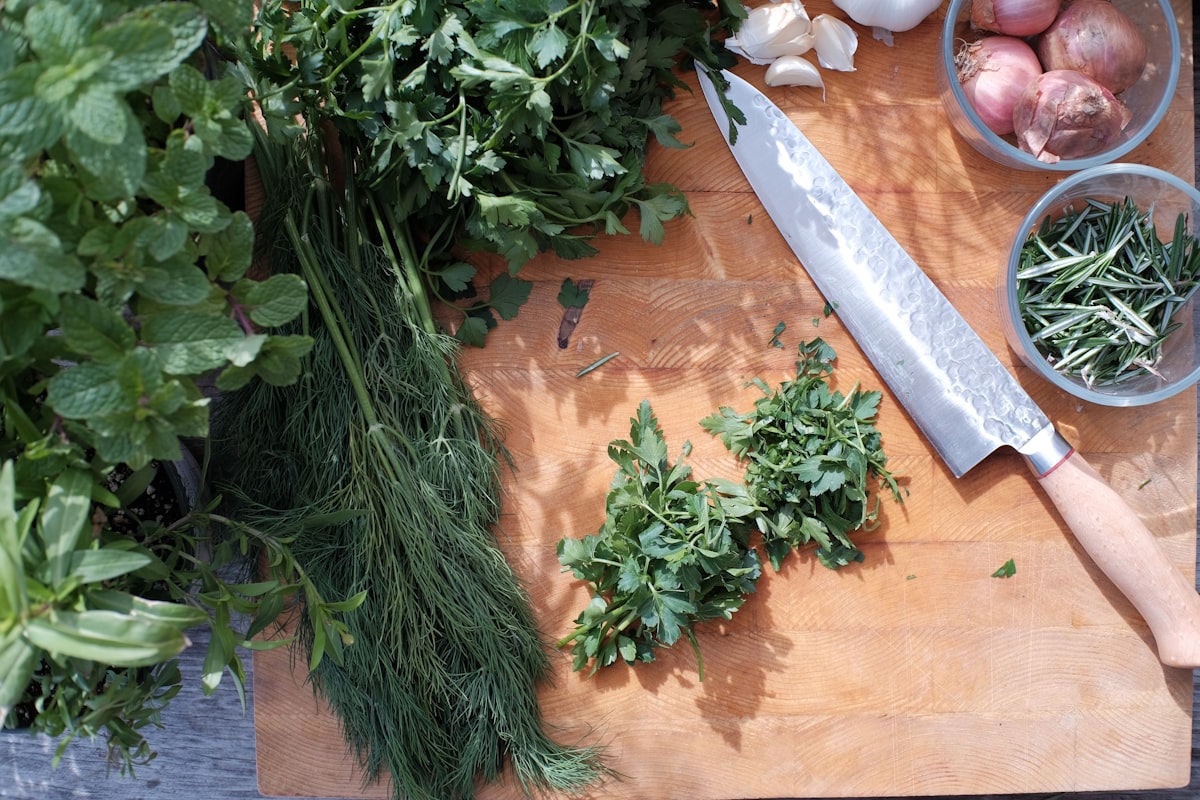
Buddha Bowl Concept
Combine fresh greens, cooked grains, roasted vegetables, and plant-based protein in one nourishing bowl.
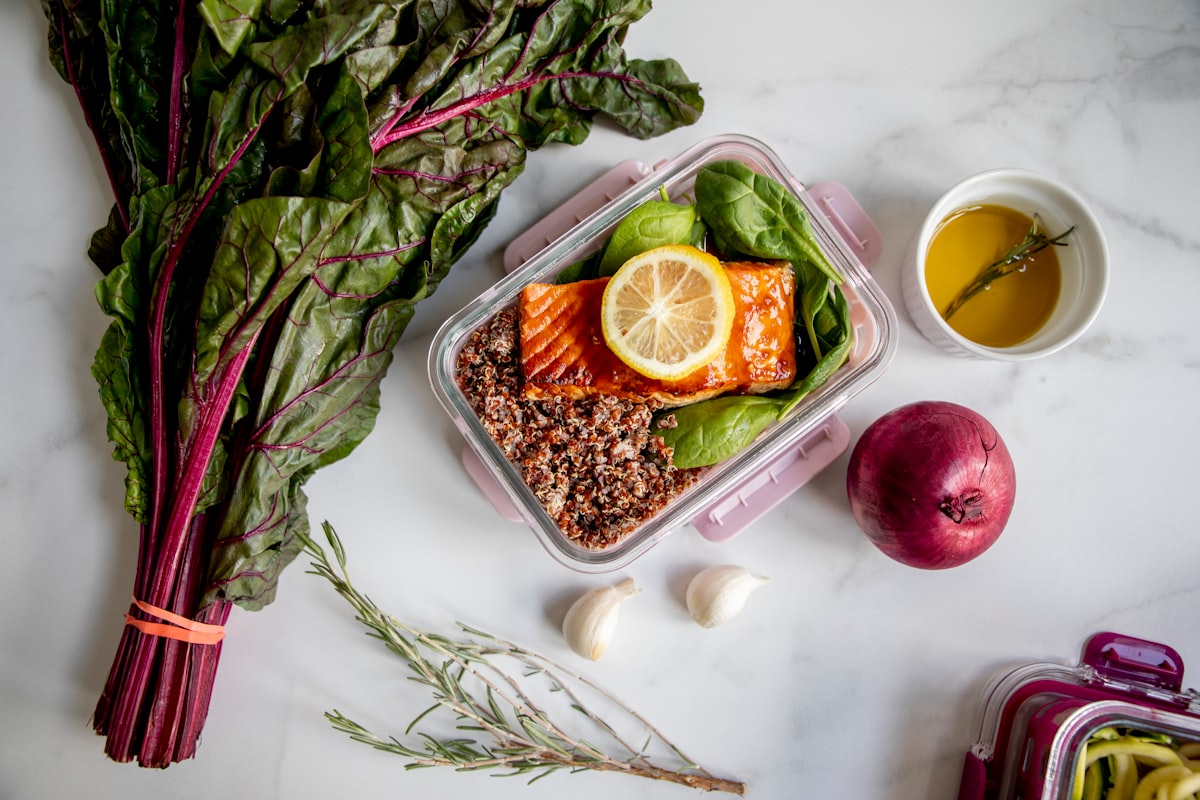
Steamed Protein
Preserve nutrients by steaming fish or chicken with aromatic herbs and citrus for flavor.
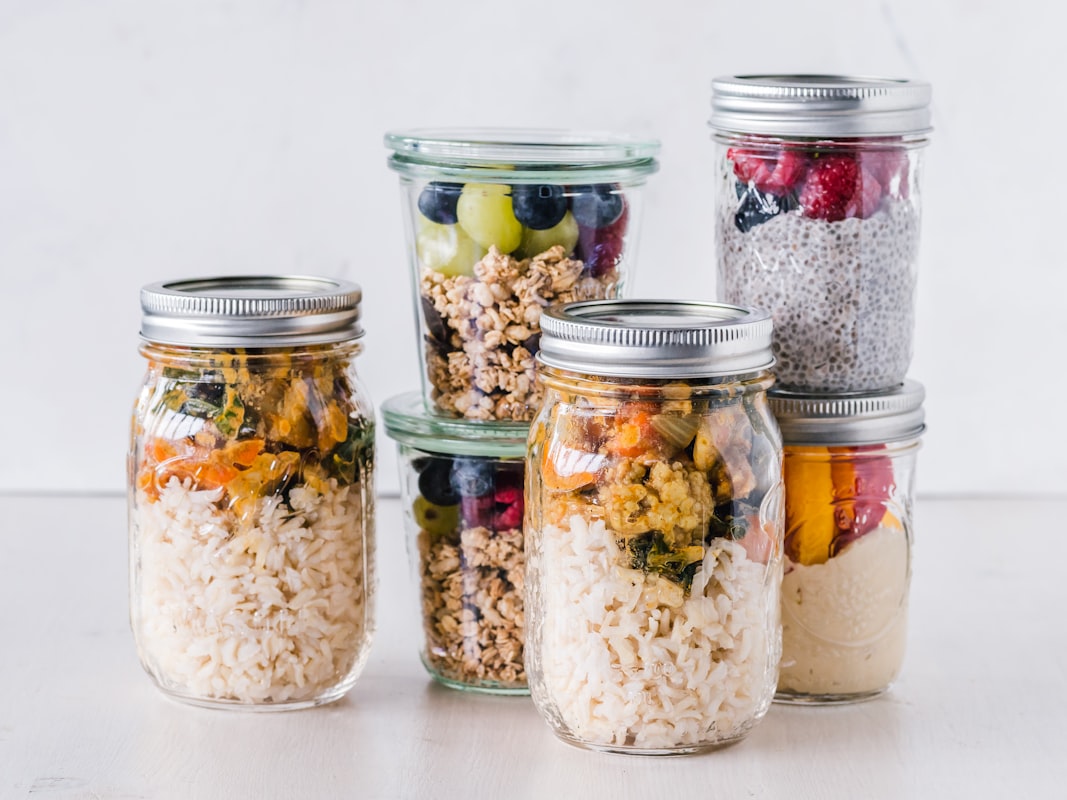
Fresh Produce Selection
Choose diverse, seasonally available vegetables to maximize phytonutrient intake.
Vegetable & Legume Soup
Simmer vegetables and legumes in broth to create satisfying, nutrient-dense meals.
Roasted Vegetables
Use moderate oven temperatures to bring out natural flavors while preserving nutrients.
Herbs & Spices
Build flavor with fresh and dried herbs that offer additional bioactive compounds.
Home Cooking vs. Commercial Meal Options
Understanding the practical and nutritional differences helps you make informed choices about your food preparation approach.
Home Cooking Approach
- Complete ingredient control: You choose every ingredient, its quality, and sourcing.
- No hidden additives: No preservatives, artificial colors, or flavor enhancers unless you add them.
- Method flexibility: You determine cooking temperature and technique for each dish.
- Cost efficiency: Buying whole ingredients often costs less than pre-prepared meals.
- Skill development: Regular cooking builds lasting culinary competence and confidence.
- Customization: Easily adjust recipes to personal taste preferences and dietary approaches.
Commercial Meal Options
- Limited transparency: Ingredient sourcing and preparation methods often remain opaque.
- Preservative necessity: Extended shelf life requires added preservatives and stabilizers.
- High-heat processing: Industrial cooking methods may reduce some nutrients.
- Higher sodium levels: Salt is often used for preservation and flavor enhancement.
- Convenience trade-off: Ease of preparation comes at cost of ingredient quality control.
- Limited customization: Fixed recipes may not match personal preferences or needs.
Common Questions
Find answers to frequently asked questions about our meal plans.
Ready to Transform Your Nutrition?
Join thousands of people achieving their health goals with personalized meal plans powered by advanced AI technology.
No credit card required • 7-day free access • Cancel anytime